Ophthalmologist in Nand Nagri: Understand Your Eye Symptoms and Get the Right Check-Up
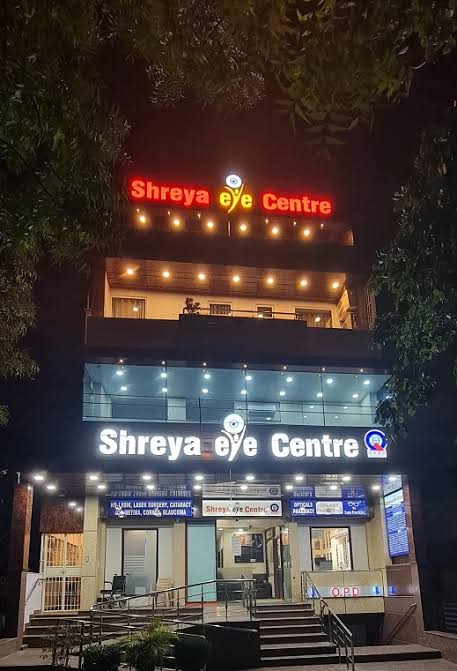
If you are looking for an ophthalmologist in Nand Nagri, Shreya Eye Centre holds consultations for people who want medical advice about their eyes and eyesight. An ophthalmologist is a doctor trained in medicine and surgery of the eye. This means diagnosing eye disease, prescribing treatment and operating when surgery is needed. The care you receive depends on your symptoms, your health history and what the examination shows.
Which Eye Problems Can an Ophthalmologist in Nand Nagri Help With?
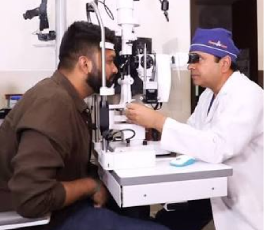
Eye trouble can affect people at any age, and the early signs are not always obvious. The ophthalmologist examines your eyes, looks for the cause of the problem and suggests suitable care.
If you are searching for an eye specialist in Nand Nagri, these are some of the conditions you may need help with:
Refractive errors: Short-sightedness, long-sightedness and astigmatism blur the way you see. Depending on the case, they may be managed with glasses, contact lenses or an assessment for a vision correction procedure.
Cataracts: When the eye’s natural lens turns cloudy, vision can become hazy, lights may glare and dim rooms become hard to see in. An examination shows how far the cataract has progressed and whether surgery needs to be discussed.
Glaucoma: This is a group of conditions that harm the optic nerve. Because it can advance without early warning signs, regular check-ups matter.
Corneal disorders: The cornea is the clear window at the front of the eye. Trouble here can bring blurred vision, irritation or other changes in how you see.
Retinal conditions: Diseases of the retina, such as diabetic retinopathy, call for a detailed examination and, often, ongoing monitoring.
Eye problems in children: A child may need to be checked for glasses, a squint or anything else that could interfere with how their vision develops.
Dry eyes and irritation: A burning or sandy feeling in the eyes can come from dry eyes or from other conditions that should be properly examined.
Treatment follows the diagnosis. Some problems settle with eye drops or glasses. Others need regular monitoring, a specialised procedure or an operation.
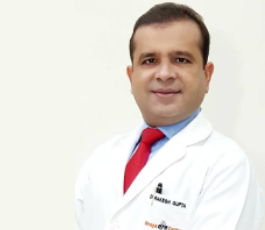
Dr. Rakesh Gupta, Founder and Director of Shreya Eye Centre
Dr. Rakesh Gupta founded Shreya Eye Centre and is its Director. His work in ophthalmology covers corneal diseases, cataract surgery and refractive procedures.
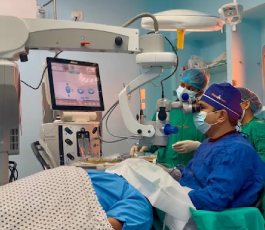
Dr. Gupta is ambidextrous as a surgeon, which means he can operate with either hand and with similar skill. His surgical work includes cataract and corneal procedures, refractive surgery and Dual Tunnel Ambidextrous Surgery.
When you are choosing an ophthalmologist, the doctor’s training and hands-on experience are fair things to ask about. At the consultation you should feel free to describe your symptoms, ask about your diagnosis and find out why a particular test or treatment is being suggested.
Looking for an Ophthalmologist in Nand Nagri? What to Check Before Your Visit
When picking an eye specialist, it helps to know which services are offered, what the doctor focuses on and how follow-up care is arranged. You may also want to confirm that the centre can look into your particular symptoms and has the right specialist for them.
At Shreya Eye Centre you can ask about eye examinations, medical treatment of eye conditions and surgical options. If you are searching for an ophthalmologist in Nand Nagri, get in touch with the centre, describe what you are experiencing and confirm which location is right for your appointment.
Frequently Asked Questions
1. What does an ophthalmologist do?
An ophthalmologist is a medical doctor who diagnoses and treats eye disease, checks for vision problems, prescribes medicines and operates when surgery is needed. The treatment depends on the condition and how serious it is.
2. How do I find an ophthalmologist in Nand Nagri?
Look for a doctor whose qualifications and experience match the care you need. You can call Shreya Eye Centre to ask about available specialists, consultation timings and which location is best placed for your visit.
3. How is an ophthalmologist different from an optometrist?
An ophthalmologist is a medical doctor who treats eye diseases and performs eye surgery. An optometrist mainly tests vision and prescribes corrective lenses, and may refer you onward if an eye condition is suspected. The exact role depends on their training and the rules where they practise.
4. When should I see an eye specialist?
Get your eyes checked if you have blurred vision, redness that lingers, eye discomfort, a prescription that keeps changing or trouble seeing clearly. Sudden loss of vision or severe eye pain needs urgent medical care.
5. Can an ophthalmologist treat cataracts and glaucoma?
Yes, ophthalmologists diagnose and manage both. A cataract may only need monitoring at first or may need surgery. Glaucoma may be controlled with medicines, laser treatment or surgery, depending on the case.
6. How often should I have my eyes examined?
This depends on your age, general health, family history and any eye condition you already have. People with diabetes or a risk of glaucoma may need to be checked more often, as their eye specialist advises.
7. Can I take my child to an ophthalmologist?
Yes. A child may need an eye check for blurred vision, a squint, trouble with reading or any suspected sight problem. Catching these early helps protect healthy visual development.
8. Do I need to bring anything to my first eye appointment?
It helps to carry your old glasses or lens prescriptions, earlier eye reports and a list of medicines you take. These give the doctor a clearer picture of your eye and general health.
 View Profile